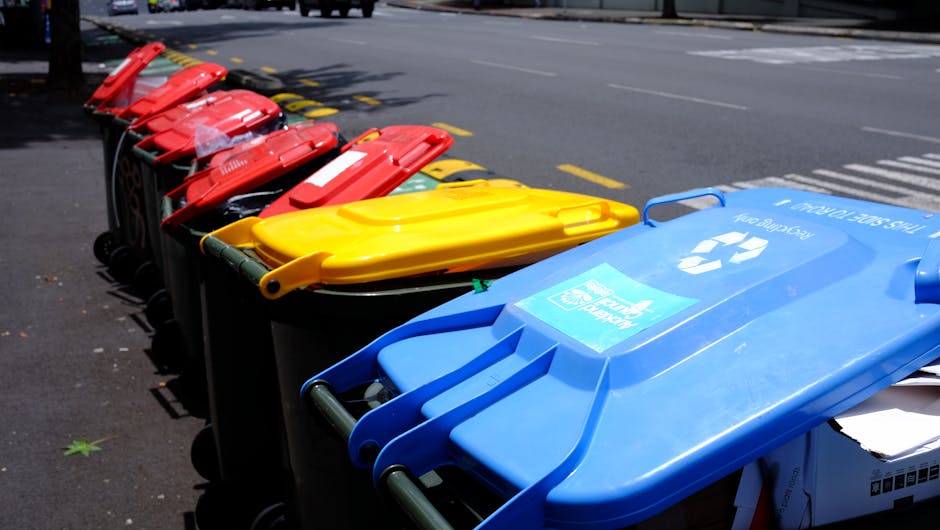
Bayswater Hyde Park waste removal and recycling options
Posted on 11/10/2026

Bayswater Hyde Park waste removal and recycling options: a practical local guide
If you live, work, manage a property, or run a business around Bayswater and Hyde Park, waste has a way of showing up at awkward times. A flat clear-out before a move. A pile of packaging after furniture delivery. Office clutter that has somehow multiplied overnight. The good news is that Bayswater Hyde Park waste removal and recycling options are broader than many people expect, and the right choice can save time, reduce stress, and keep more material out of landfill.
This guide breaks down how local waste removal and recycling usually works, what your options are, when each one makes sense, and the common mistakes people make in a busy central London setting. You will also find a practical checklist, a comparison table, and a few honest pointers from real-world experience. No fluff, just the stuff that helps.
Why Bayswater Hyde Park waste removal and recycling options Matters
Bayswater and Hyde Park sit in one of London's busier, more tightly packed parts of the city. That matters because waste is not just about "getting rid of stuff." It is about access, timing, sorting, neighbours, building rules, and the kind of property you are dealing with. A basement flat on a narrow street, a mansion block with no lift, a commercial premises on a busy road, and a rental property being turned over in a rush all have different needs.
In practice, the wrong waste approach can create very ordinary but frustrating problems: bags left out too early, bulky items that cannot be moved without help, recyclable material mixed with general rubbish, or missed collection windows that leave everything sitting around. And let's face it, nobody wants a hallway full of broken shelving and cardboard boxes for two days. That smells like a bad plan, literally and otherwise.
The waste removal and recycling options available to local residents and businesses matter because they help you:
- clear space quickly and safely
- sort items for recycling instead of sending everything to disposal
- reduce disruption in shared buildings
- deal with awkward items such as furniture, appliances, and renovation waste
- stay aligned with accepted UK waste-handling expectations
There is also a sustainability angle. In a dense urban area like this, the difference between a thoughtful collection and a careless one can be significant. Good waste handling is not glamorous. It is just quietly efficient, which is usually what people want at the end of the day.
How Bayswater Hyde Park waste removal and recycling options Works
Most waste removal in Bayswater and Hyde Park follows a fairly simple pattern, but the details matter. You identify what needs to go, separate anything recyclable, choose the most suitable collection method, and book a pickup or drop-off route that fits your timeline.
For households, that may mean using a domestic waste collection service for everyday loads, a rubbish collection service for mixed items, or a specialist service for furniture or appliances. For landlords, managing agents, and businesses, the process often becomes more structured: clearance, segregation, loading, transport, and documentation where needed.
Recycling typically works best when items are sorted before collection. Cardboard, metal, certain plastics, wood, electrical items, green waste, and reusable furniture may each go down different paths depending on condition and material type. The more carefully items are separated, the more likely they are to be reused or recycled rather than treated as general waste.
Here is the basic flow most people can expect:
- Describe the load clearly, including volume, item type, and access conditions.
- Choose the right service for the waste stream involved.
- Prepare items by separating recyclables and making access easier.
- Collection takes place, often with loading included.
- Items are transported for reuse, recycling, treatment, or disposal.
That sounds straightforward, and often it is. The real-world wrinkle is access. Bayswater flats, mews properties, mansion blocks, and older buildings can make lifting, carrying, and parking more difficult. A collection that looks simple on paper can turn into a slow, two-person carry down tight stairs. You notice these things quickly when you've spent a few minutes in a building with no lift and a stubborn sofa wedged in the corner.
For that reason, a good provider will usually ask questions before quoting: what needs removing, how much of it there is, whether there is lift access, how close vehicles can get, and whether items need dismantling. Those details change the job more than most people realise.
Key Benefits and Practical Advantages
The best Bayswater Hyde Park waste removal and recycling options do more than clear clutter. They remove friction from what can otherwise be a messy, tiring task. That matters if you are juggling work, family, a move, or a building project.
Some of the main advantages include:
- Time saved: You avoid multiple trips to a reuse centre, recycling point, or skip arrangement.
- Less manual effort: Heavy lifting, awkward carrying, and disassembly can be handled for you.
- Better recycling outcomes: Separating materials increases the chance of reuse and recycling.
- More flexibility: Services can often be arranged around your schedule rather than the other way around.
- Cleaner presentation: Important for landlords, estate agents, shops, offices, and hospitality spaces.
There is a practical financial side too. Choosing the right method can reduce avoidable costs, especially if you only need a partial clear-out rather than a full-scale clearance. A lot of people overbook. They assume they need the biggest solution, when in fact a targeted collection would do the job better.
Expert summary: In a central London area, the smartest waste plan is usually the one that balances access, item type, and timing. Not the cheapest on paper, not the biggest by default - the one that fits the job cleanly.
That may sound obvious, but people often discover it the hard way after trying to force a bulky, awkward job into the wrong solution. Truth be told, waste is one of those things that seems simple until you are standing in a hallway with a dismantled wardrobe and nowhere to put the screws.
Who This Is For and When It Makes Sense
Bayswater Hyde Park waste removal and recycling options are useful for a wide range of people. If any of these situations sound familiar, you are in the right place:
- Residents moving house: Old furniture, broken items, and leftover packaging build up fast.
- Tenants and landlords: End-of-tenancy clearances need to be quick and presentable.
- Homeowners renovating: Builders' waste, old fixtures, and packaging need removing safely.
- Offices and small businesses: Desks, chairs, filing cabinets, and general clutter can build up quietly.
- Shops and hospitality venues: Refits and deliveries often generate lots of recyclable waste at once.
- Estate agents and managing agents: Vacant property needs a fast, reliable reset.
It also makes sense whenever the usual bin route is too small, too slow, or too messy for the job. A few black bags are one thing. A collapsed bookcase, broken blinds, and three flats' worth of cardboard are another. Different beast entirely.
If you are unsure whether you need a one-off collection or a larger clearance, think in terms of volume and disruption. Small, contained jobs can often be handled quickly. Bigger jobs, or any job involving multiple item types, are usually easier when handled as a planned clearance rather than a piecemeal tidy-up.
Step-by-Step Guidance
If you want the smoothest possible result, a bit of preparation goes a long way. Here is a practical way to handle waste removal and recycling in the area without overcomplicating it.
- Identify the waste type. Separate general rubbish, recyclables, furniture, white goods, and builders' waste if possible.
- Estimate volume honestly. A few chairs and boxes are different from a full flat clearance. Be specific.
- Check access. Note stairs, lifts, parking limits, permits, and any restrictions from building management.
- Set aside items clearly. Keep things in one place if you can. It speeds up loading and reduces confusion.
- Decide what should be reused or recycled. Good-condition furniture or appliances may be better routed away from disposal where feasible.
- Book the right service. Match the collection method to the waste stream and urgency.
- Confirm timing. Choose a slot that avoids peak household activity or building access issues.
- Ask about documentation. For commercial or mixed waste, make sure you understand what records or receipts will be provided.
A small but useful tip: if there are a lot of mixed items, take a quick phone photo or two before you arrange the collection. You will often get a more accurate recommendation and avoid awkward surprises. Nothing fancy. Just enough to show the scale and the access route.
Also, if an item is borderline reusable, keep it separate. A table with a wobbly leg might be repairable; a water-damaged sofa probably is not. That distinction can improve recycling or reuse outcomes, and it may affect the collection approach as well.
Expert Tips for Better Results
Here is where a little experience saves a lot of hassle. These are the things that make waste removal smoother in busy central London settings.
- Group by material, not just by room. Cardboard, wood, metal, electrical items, and textiles should be kept distinct where practical.
- Break down what you safely can. Flat-pack furniture, for example, is easier to move when partially dismantled.
- Keep a clear walking route. One open path from the waste pile to the exit can save real time.
- Protect communal areas. In shared buildings, tidy loading matters. It avoids complaints and keeps neighbours on side.
- Check whether items can be reused. Some pieces are too good to treat as rubbish, even if they are no longer needed by you.
- Be specific about awkward access. A tight staircase or no-parking street is not a small detail; it changes the job.
One overlooked point is noise. In a place like Bayswater or near Hyde Park, where buildings are close together, dragging furniture at 7 a.m. or repeatedly banging items on stair rails is not a great look. A careful team will move quietly where they can, and that is worth something. Neighbours remember that sort of thing.
Another tip: if you have mixed waste after a renovation, keep clean recyclable packaging away from plasterboard, paint tins, or damp materials. Contamination can reduce recycling options quickly. It is a tiny bit of extra effort, but it pays off.

Common Mistakes to Avoid
Most waste problems are avoidable. The trouble is, people often only realise they have made them after the van has arrived or the bags are already outside.
- Underestimating the load: A "small clear-out" often turns into a medium one once cupboards are emptied.
- Mixing recyclable and non-recyclable waste: That can limit what can be recovered.
- Ignoring access restrictions: Street parking, lifts, and stair width matter more than people expect.
- Leaving sorting until collection day: It slows everything down and can lead to mistakes.
- Assuming every item is disposable in the same way: Appliances, furniture, and builders' waste often need different handling.
- Forgetting building rules: Some blocks require advance notice for collections. Some do not love surprise sofa adventures. Fair enough.
One more common issue is booking purely on price without asking what is included. Is loading included? What about heavy lifting? What happens if the waste is larger than expected? Hidden extras are easiest to avoid when you ask the awkward questions early. A little directness now saves annoyance later.
Tools, Resources and Recommendations
You do not need specialist gear for every job, but a few simple tools can make a big difference.
- Sturdy gloves: Useful for sharp edges, dusty items, or rough packaging.
- Marker pens and tape: Helpful for labelling what is recyclable, what is staying, and what is going.
- Basic screwdriver or hex key set: Handy for dismantling furniture safely.
- Dust sheets or old blankets: Good for protecting hallways and door frames.
- Bag ties and sacks: Useful for keeping small loose items together.
- Phone camera: Simple, but excellent for quoting and planning.
For people who want a broader view of available services, the pages on services overview and recycling and sustainability are a helpful starting point. They give a sense of how waste can be handled more thoughtfully, not just removed quickly.
If you are comparing options, it can also help to look at pricing and quotes alongside the service types you need. That tends to make the decision clearer, especially when the load is mixed or access is awkward.
For a general view of the company and its approach, the about us page and waste carrier licence and compliance information are worth checking too. They help build a fuller picture before you book.
Law, Compliance, Standards, or Best Practice
Waste removal is not just a practical matter; it has a compliance side as well. In the UK, waste must be handled responsibly, and businesses in particular should be careful about how they arrange collection, transfer, and disposal. If you are a landlord, office manager, shop owner, or facilities lead, that is not the bit to skim past.
Best practice usually means working with a properly licensed waste carrier, keeping reasonable records where required, and making sure waste is transferred to appropriate facilities. For domestic customers, the main concern is choosing a provider that handles items lawfully and sorts recyclable material responsibly. For commercial customers, documentation and traceability matter more, especially when waste streams are mixed or repeated.
A few sensible standards apply across the board:
- use a licensed, reputable waste carrier
- do not leave waste in communal areas without permission
- separate hazardous or specialist items where guidance is required
- avoid fly-tipping risk by checking where waste goes
- keep clear communication around collection times and access
If you handle furniture, appliances, or office equipment, ask about safe lifting and insurance cover as well. The page on insurance and safety is a sensible read if you want to understand what careful handling should look like.
For business users, even the little things matter. A basic paper trail, clear pickup instructions, and a provider who understands access logistics can save a lot of awkward back-and-forth. That is just the reality of working in a dense London area. Not exciting, but very useful.
Options, Methods, or Comparison Table
Different waste situations call for different methods. There is no single answer for everyone, which is why comparing the main options side by side helps.
| Option | Best for | Strengths | Limitations |
|---|---|---|---|
| General rubbish collection | Mixed household or light commercial waste | Fast, convenient, suitable for everyday clutter | Not ideal for large quantities of bulky items |
| Furniture removal | Sofas, tables, wardrobes, chairs | Good for heavy or awkward objects, often includes loading | May require more access detail and preparation |
| White goods and appliance disposal | Fridges, washing machines, cookers | Useful for bulky electrical items, better routing for recycling | Some items need careful handling and disconnection |
| Builders' waste disposal | Renovation and refurbishment debris | Designed for heavier, messier loads | Requires better sorting and may have stricter handling expectations |
| House or office clearance | Full or partial property clear-outs | Efficient for larger volumes and mixed contents | Usually more planning needed |
If you want a more complete service picture, the related pages for furniture removal, white goods and appliance disposal, builders' waste disposal, and house clearance are useful references. They map well to the kinds of jobs people in Bayswater and Hyde Park actually need done.
One practical takeaway: if your waste is mostly one material stream, go specialist. If it is a mixture, a broader removal service may be the cleaner solution. Simple enough, really.
Case Study or Real-World Example
Picture a typical scenario. A flat in Bayswater is being emptied before a tenancy change. There is a worn sofa, two bed frames, several bags of clothes, a broken desk chair, cardboard from a new bed, and a couple of small appliances. Nothing dramatic. Just enough to make the place feel cramped and a bit chaotic by Tuesday afternoon.
The first instinct is often to pile everything together and deal with it later. But later usually means more dust, less space, and a stairwell that suddenly feels half a metre narrower. In a better approach, the items are split into categories: reusable furniture, recyclable cardboard, electrical items, and general rubbish. The access route is checked in advance, including parking and lift use. The load is photographed and a collection is arranged with the likely item type and volume made clear from the start.
The result is straightforward: less time on site, fewer surprises, and better recycling potential. The cardboard does not end up tangled with the old sofa. The appliances are not treated like general rubbish. The flat is cleared without blocking the corridor for half the afternoon.
Nothing magical happened there. It was just a well-matched service, some sensible sorting, and a bit of planning before the collection day. Sometimes that is all it takes. Honestly, that is most of the job.
Practical Checklist
Use this quick checklist before you book or schedule waste removal in Bayswater or Hyde Park.
- Have I identified exactly what needs removing?
- Have I separated recyclable items from general waste?
- Do I know whether any items need special handling?
- Have I checked stairs, lifts, parking, and access restrictions?
- Have I measured or at least estimated the volume honestly?
- Are any items reusable rather than disposable?
- Do I know the preferred collection time and building rules?
- Have I asked what is included in the service?
- Do I need documentation for business or landlord records?
- Have I protected floors, walls, or communal areas if needed?
If you can tick most of those off, you are already ahead of the game. And if not, no drama. It is usually fixable with a bit more detail before booking.
Conclusion
Bayswater Hyde Park waste removal and recycling options are at their best when they are matched carefully to the job in front of you. The area's mix of flats, townhouses, offices, and commercial premises means access and timing matter just as much as the waste itself. When you choose the right service, sort what can be recycled, and plan for building realities, the whole process becomes cleaner, faster, and less stressful.
Whether you are clearing one bulky item or organising a full property reset, the smartest move is usually the simplest one: prepare well, ask clear questions, and choose a provider that understands the realities of central London. That saves time, protects your space, and improves the chance that items are reused or recycled properly.
Get a free quote today and see how much you can save.
And if all you really want is a tidy space and a quieter head at the end of the day, well, that counts for a lot.